Sport & PE: A Complete Guide
to Advanced Level Study
3rd edition
By Kevin Wesson
May 2005
Hodder Murray
Distributed By Trans-Atlantic Publications
ISBN: 9780340817018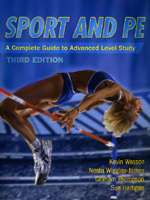
865 pages, Illustrated, 8 ¼ x 10 3/4"
$77.50 paper original
Sport and PE: A Complete Guide to Advanced Level Study has established itself as an indispensable text for students of physical education.
The new edition includes a new 'signposting' system to help students identify information that is directly relevant to their exam board, providing all the benefits of a board-specific text with the advantage of the extra material that this comprehensive book provides. A new chapter on practical activities also features.
Featuring new full colour artworks and photographs, this is a book that no student of the subject can afford to be without.
- Includes 'signposting' system to help students find material that is directly relevant to their specific exam board.
- Brand new colour illustrations throughout
- New chapter on Practical Activities
- Totally revised page design with new artworks and photographs
Table of Contents:
| Acknowledgements | ||||
| Anatomy, Exercise Physiology and the Biomechanics of Human Movement | ||||
| 1. An Analysis of Human Movement | ||||
| 2. The Cardiovascular System – The Maintenance of Blood Supply | ||||
| 3. The Respiratory System – Oxygen Supply and Transport | ||||
| 4. Energy for Movement | ||||
| 5. Fatigue and Recovery | ||||
| 6. The Measurement of Fitness | ||||
| 7. Training for Successful Performance | ||||
| 8. Nutrition for Performance | ||||
| 9. Biomechanics – The Mechanics of Motion | ||||
| Historical, Social and Cultural Aspects | ||||
| 10. Concepts of Physical Activity | ||||
| 11. The Administration of Sport and Sporting Policies | ||||
| 12. Levels of Performance – From Participation to Excellence | ||||
| 13. Issues in the Modern Day Sports World | ||||
| 14. International Sporting Competitions | ||||
| 15. Cultural and Comparative Studies | ||||
| 16. The Social History of Sport in the United Kingdom | ||||
| 17. Historical Development of Physical Education | ||||
| Psychological Aspects of Sport and PE | ||||
| 18. The Nature of Skilled Performance | ||||
| 19. The Principles of Learning | ||||
| 20. Theories of Learning | ||||
| 21. Information Processing | ||||
| 22. Control of Movement, Motor Programmes and Schemas | ||||
| 23. Turning Theory into Practice | ||||
| Individual Differences | ||||
| Motivation in Physical Education and Sport | ||||
| Social Influences and Performance | ||||
| Optimising Performance | ||||
| Coursework and Research | ||||
| Practical Coursework | ||||
| Requirements and Assessment of the Written Investigation at AS and the Project at A2 | ||||
| Observation, Analysis and Evaluation | ||||
| Planning | ||||
| Developing the Research Problem and Using Relevant Literature | ||||
| Method | ||||
| The Results (A2) | ||||
| The Final Stages | ||||
| Synoptic Assessment | ||||
| Appendix 1. Project Examples | ||||
| Appendix 2a and b. Suggested Project Titles | ||||
| Appendix 3. Fitness Test Ratings | ||||
| Exam Board Breakdown of Content | ||||
About the Author(s):
Kevin Wesson, Nesta Wiggins-James, Graham Thompson and Sue Hartigan are all experienced Senior Examiners and teach at Further Education and Sixth Form Colleges. They were all members of the development committee for a major exam board specification.
Return to main page of Trans-Atlantic Publications